Carbon Fiber Precursor Fabric: The Foundation of High-Performance Composite Innovation
2025-12-26
As industries continue to seek stronger, lighter, and more sustainable materials, Carbon Fiber Precursor Fabric has emerged as a cornerstone of modern composite manufacturing. This advanced textile plays a critical role in producing high-strength carbon fiber, a material that powers progress in aerospace, automotive, energy, and industrial engineering.
The Science Behind Carbon Fiber Precursor Fabric
Carbon Fiber Precursor Fabric is typically made from polyacrylonitrile (PAN) fibers, though pitch and rayon variants are also used depending on the desired properties. During the carbonization process, these precursor fabrics undergo controlled oxidation and heat treatment, transforming the polymer structure into pure carbon. The result is a lightweight yet incredibly strong material that exhibits outstanding mechanical, chemical, and thermal stability.
The quality of the precursor fabric directly determines the strength, modulus, and consistency of the final carbon fiber. Manufacturers are constantly optimizing the fiber alignment, surface uniformity, and tensile characteristics of the precursor to ensure maximum performance during carbonization and composite formation.
Performance and Industrial Applications
Thanks to its superior structural properties, Carbon Fiber Precursor Fabric is a vital material in a range of high-tech sectors. In the aerospace industry, it forms the backbone of lightweight aircraft components, helping reduce fuel consumption while maintaining structural integrity. In automotive engineering, it’s used for producing energy-efficient body panels and chassis parts in electric and performance vehicles.
The renewable energy sector also benefits from this innovation — wind turbine blades, pressure vessels, and hydrogen storage tanks rely heavily on carbon fiber composites derived from high-quality precursors. Additionally, sports equipment, defense applications, and industrial robotics utilize this fabric for its exceptional strength-to-weight ratio and fatigue resistance.
Sustainability and Technological Advancement
In recent years, the production of Carbon Fiber Precursor Fabric has evolved toward sustainable and cost-efficient methods. Manufacturers are exploring bio-based precursors and advanced stabilization processes that lower emissions and energy consumption. These innovations aim to make carbon fiber production more environmentally friendly while maintaining or even improving performance standards.
Furthermore, new research focuses on recyclable and reusable precursor fibers, paving the way for a circular carbon fiber economy — a major step forward for industries seeking to reduce waste and carbon footprints.
Conclusion
Carbon Fiber Precursor Fabric is more than just the starting point of carbon fiber production — it’s the foundation of countless technological advancements across modern industries. With continuous improvements in fiber chemistry, processing technology, and sustainability, this material is driving the next generation of lightweight, durable, and eco-friendly composite solutions.
As global demand for high-performance materials continues to grow, Carbon Fiber Precursor Fabric will remain at the heart of innovation, shaping the future of manufacturing, transportation, and clean energy.
RELATED NEWS
-

Pre-oxidized Polyimide Single sided Fleece Soft thermal insulation with inherent protection
Pre-oxidized Polyimide single sided Fleece Flame Retardant
-
Pre-Oxidized Jersey Knit Fabric Drives Innovation in Knitted Protective Gear
Pre-Oxidized Jersey Knit Fabric is gaining recognition as a versatile and reliable material in the evolving market for knitted protective gear. With industries placing greater emphasis on both thermal protection and wearer comfort, this fabric is becoming a preferred choice for safety apparel that must perform in demanding environments.
-
Smooth Pre-Ox Knit Fabric Gains Attention in the Knitted Protective Gear Market
Smooth Pre-Ox Knit Fabric is emerging as a high-performance material in the field of knitted protective gear, offering a balance between safety, comfort, and durability. As industries demand textiles that can perform under thermal stress without sacrificing wearability, this advanced fabric is drawing increasing interest from manufacturers and end users alike.
-
How to Tell If Flame Resistant Fabric Is Genuine or Fake
As flame resistant fabrics are increasingly used in industrial workwear, protective apparel, and home textiles, the market has also seen a rise in misleading or low-quality imitations. For buyers, safety managers, and end users, knowing how to tell if flame resistant fabric is genuine or fake is critical—not just for compliance, but for personal safety.
-
Can Flame Resistant Fabric Be Ironed or Exposed to High Heat in Dryers
Flame resistant (FR) fabrics are widely used in industrial workwear, protective clothing, home textiles, and children’s garments because of their ability to reduce fire-related risks. However, many users remain unsure about everyday care practices. One of the most common questions is whether flame resistant fabric can be ironed or exposed to high heat in dryers without losing its protective performance.
-
Is Flame Resistant Fabric Safe for Sensitive Skin or Babies
Flame resistant fabrics are widely used in protective clothing, children’s sleepwear, and home textiles where fire safety is a priority. However, as awareness of skin health grows, many consumers—especially parents—are asking an important question: is flame resistant fabric safe for sensitive skin or babies? Recent developments in textile technology offer clearer answers.
-
How Durable Is Pre-Oxygen Silk for Activewear or Daily Use
As high-performance textiles continue to evolve, pre-oxygen silk has gained attention for its unique balance of comfort, heat resistance, and skin-friendly properties. Once mainly used in protective or flame-resistant applications, this innovative fiber is now being explored for activewear and everyday clothing. But how durable is pre-oxygen silk when worn daily or used in physically demanding environments? Industry experts and material scientists are taking a closer look.
-
Is Pre-Oxygen Silk Fabric Really Cooler Than Cotton in Summer
As consumers look for summer fabrics that balance comfort, performance, and safety, pre-oxygen silk fabric is drawing attention as an alternative to traditional cotton. The key question is whether it actually feels cooler in hot weather. The answer lies in how the two materials manage heat and moisture.
-
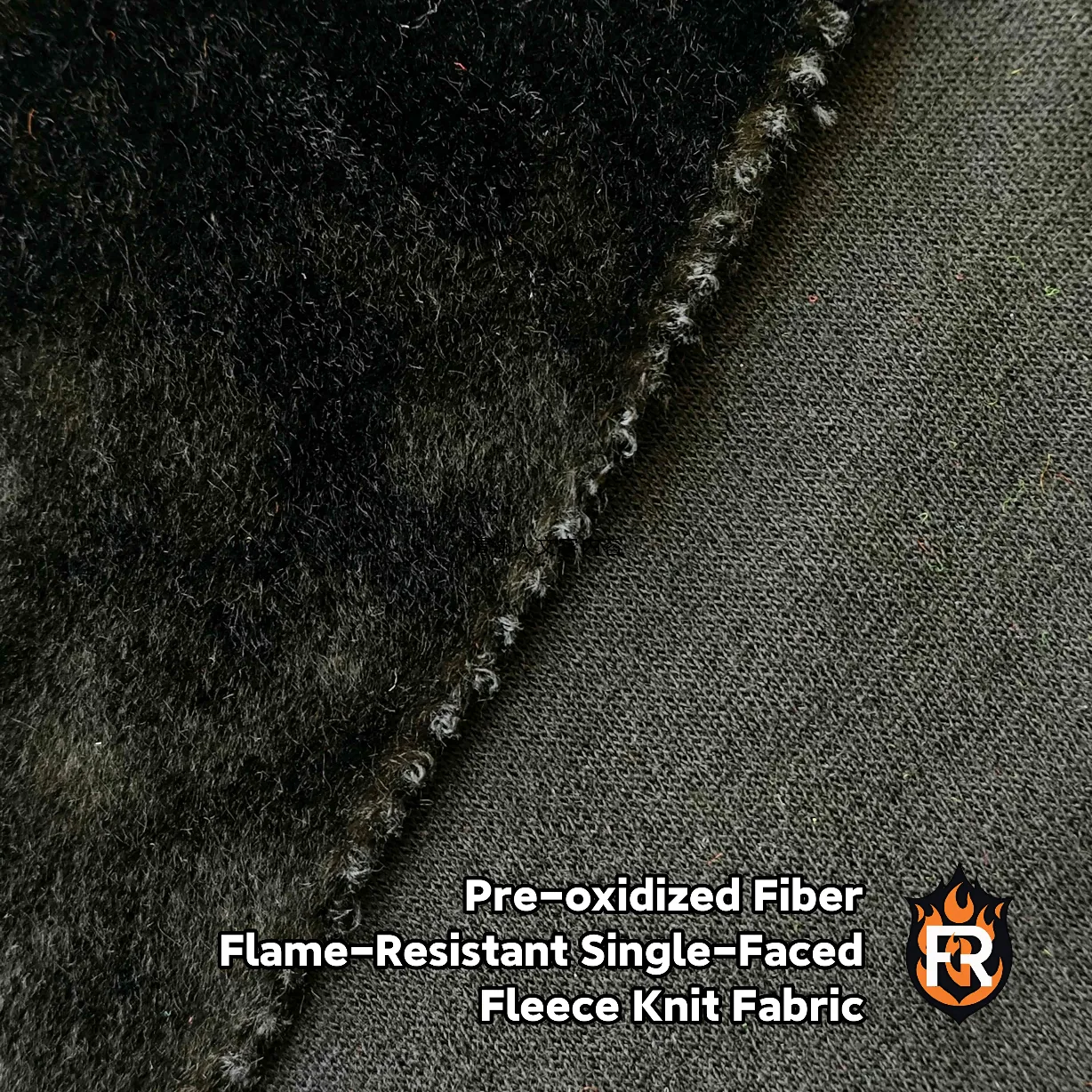
Does Pre-Oxygen Silk Knit Fabric Shrink After Washing
Pre-oxygen silk knit fabric is increasingly used in protective and technical textiles due to its flame-resistant properties and soft hand feel. A common concern among users and manufacturers is whether this specialized fabric shrinks after washing. The answer depends largely on how the fabric is processed and how it is laundered.
-
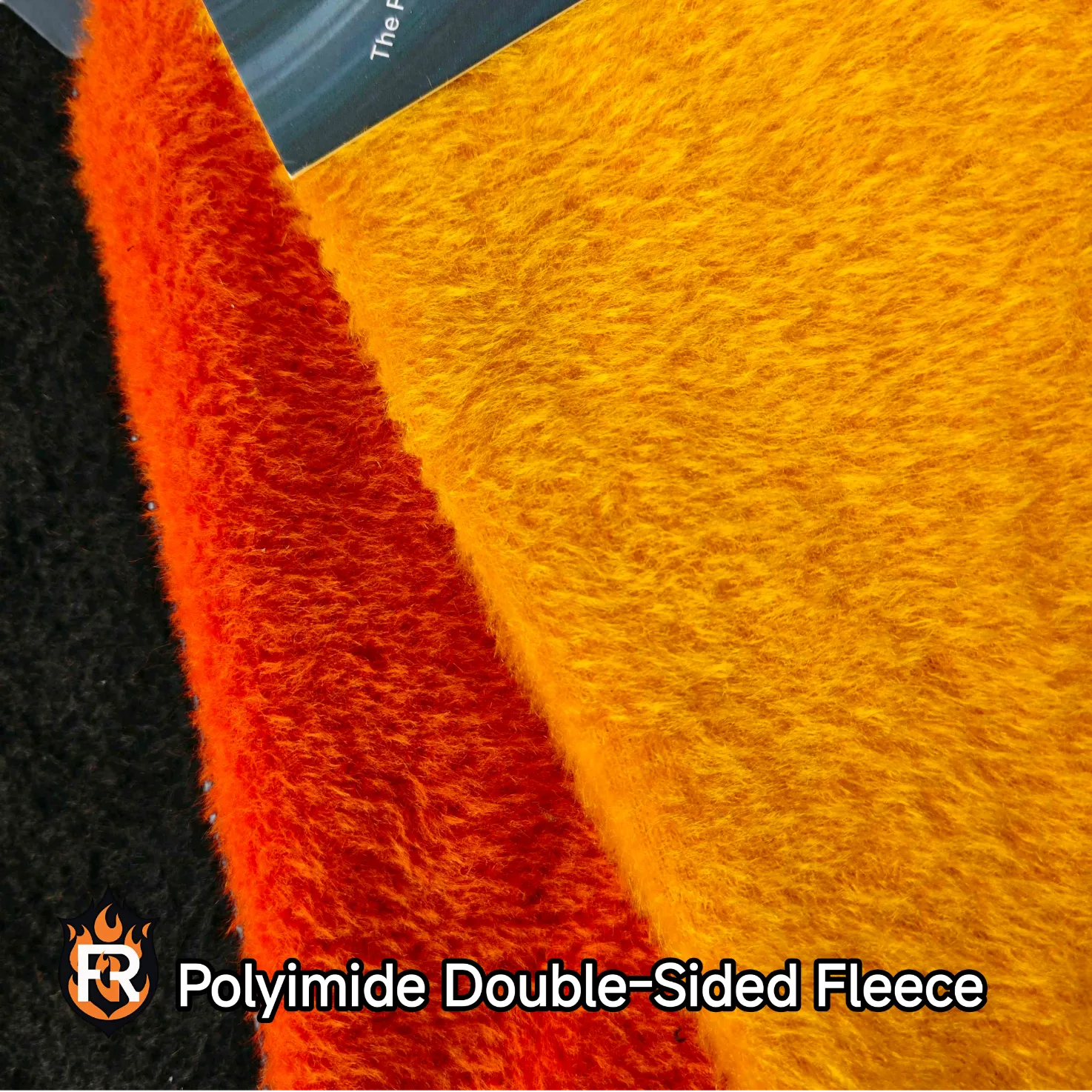
Are There Breathable and Comfortable Flame Resistant Fabrics for Hot Environments
Working in hot environments while wearing flame resistant clothing can be physically demanding. Many people assume that FR fabrics are always heavy and uncomfortable, but advances in textile technology have made breathable and lightweight options increasingly available without sacrificing safety.
-
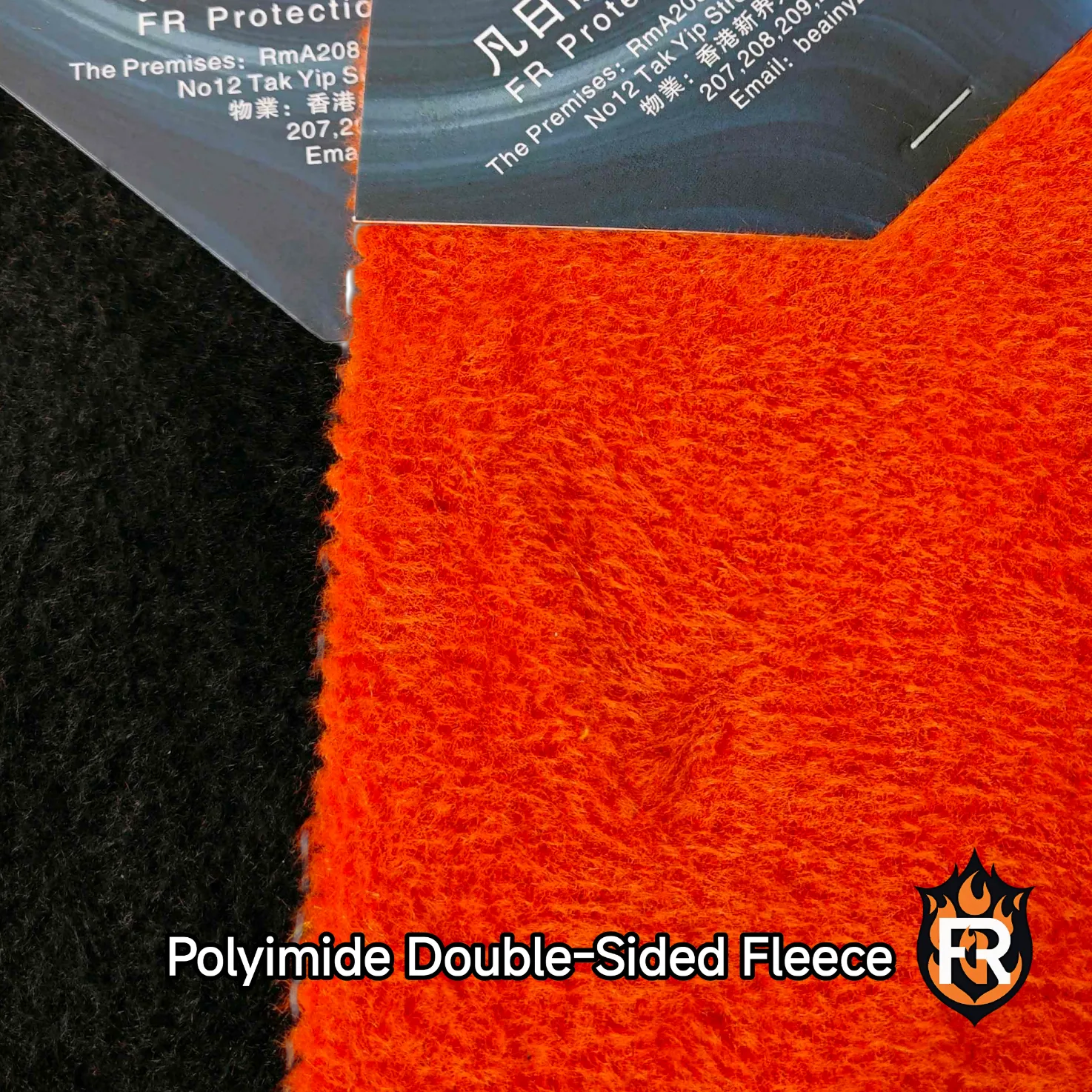
How to Repair Small Tears or Damage in Flame Resistant Clothing
Flame resistant clothing is designed to protect workers in high-risk environments, but daily wear can still lead to small tears or fabric damage. When this happens, proper repair is essential—not just for appearance, but for maintaining safety compliance. Repairing FR garments requires more care than ordinary workwear.
-
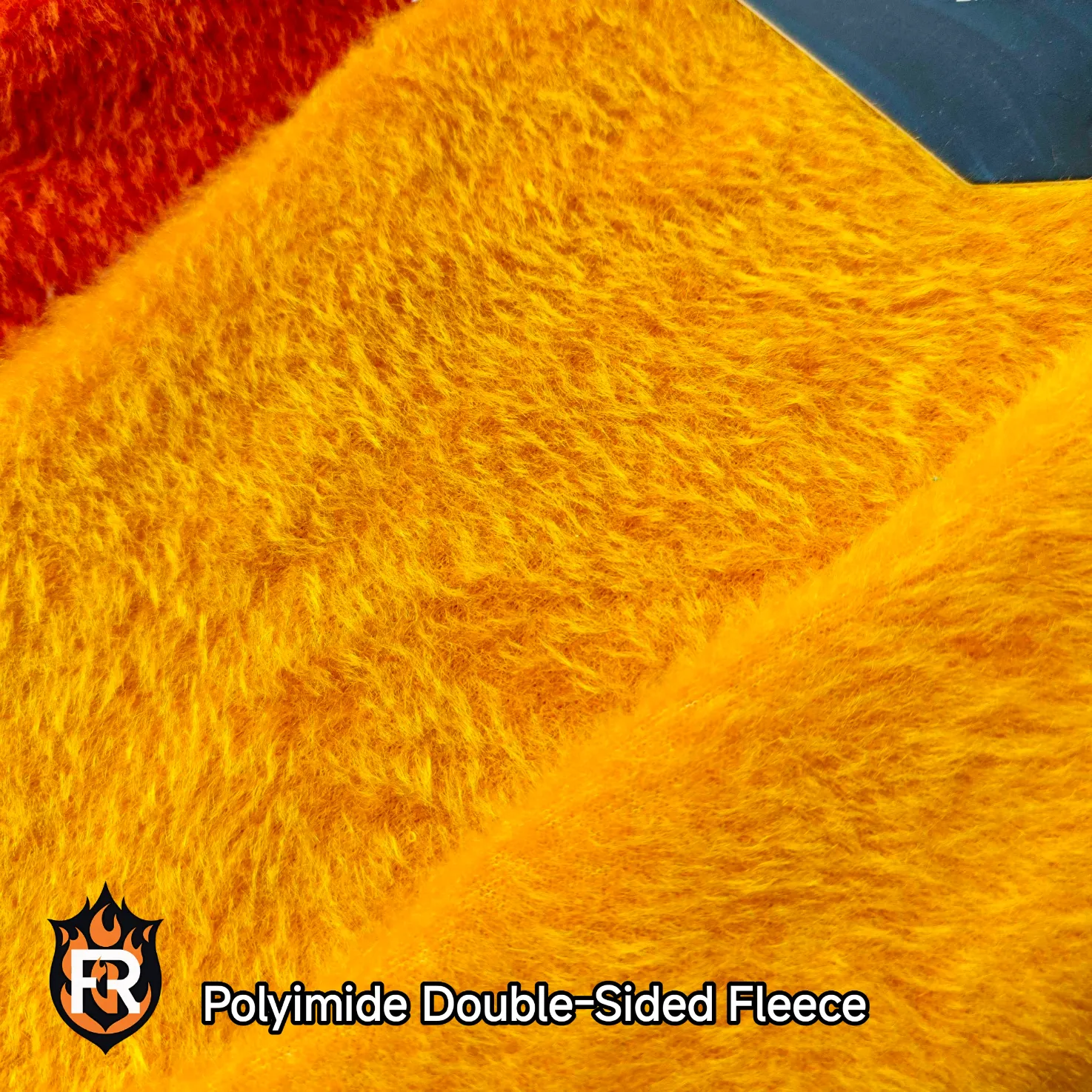
Does Flame Resistant Fabric Lose Its Protection After Washing
Flame resistant fabric is widely used in protective clothing for industries such as manufacturing, electrical work, and firefighting. A common concern among users is whether this protection fades after repeated washing. The answer depends on how the fabric is made and how it is maintained.
-
Carbon Polyimide air layer fabrics Flame Retardant
Our company's new structure of flame-retardant fabric, consisting of carbon fiber and polyimide , with an air layer structure
-
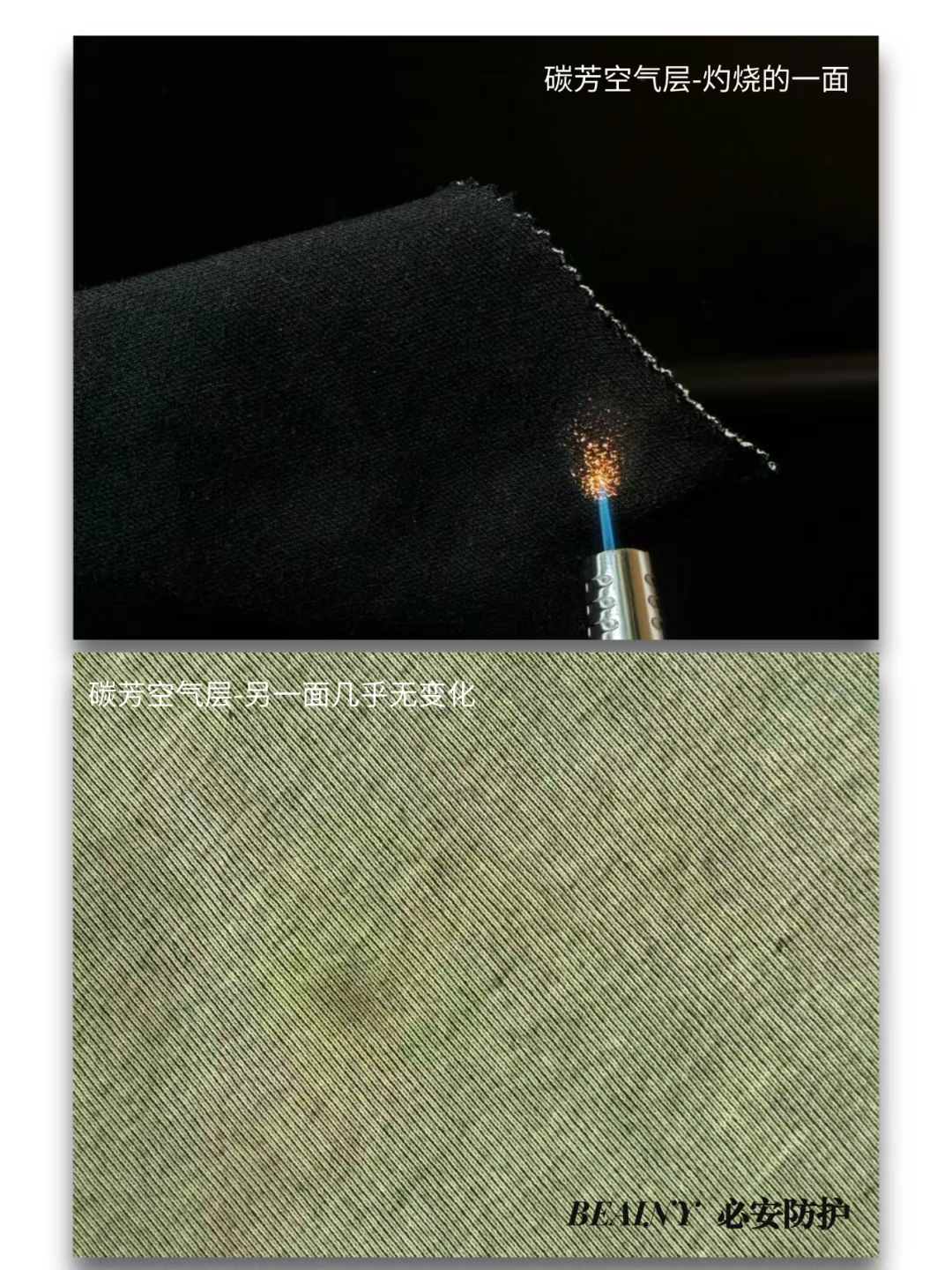
The composite knitting of Carbon Fiber and Aramid 14 into an "air-layer" structure has created an engineering-grade fabric that integrates superior mechanical properties with multi-level protection.
The composite knitting of Carbon Fiber and Aramid 14 into an "air-layer" structure has created an engineering-grade fabric that integrates superior mechanical properties with multi-level protection. This represents a cutting-edge exploration by FR PROTECTION&KNITTING CO., LIMITED(Shaoxing Bian Protective Technology Co., Ltd. )in extreme protection and structural design.
-
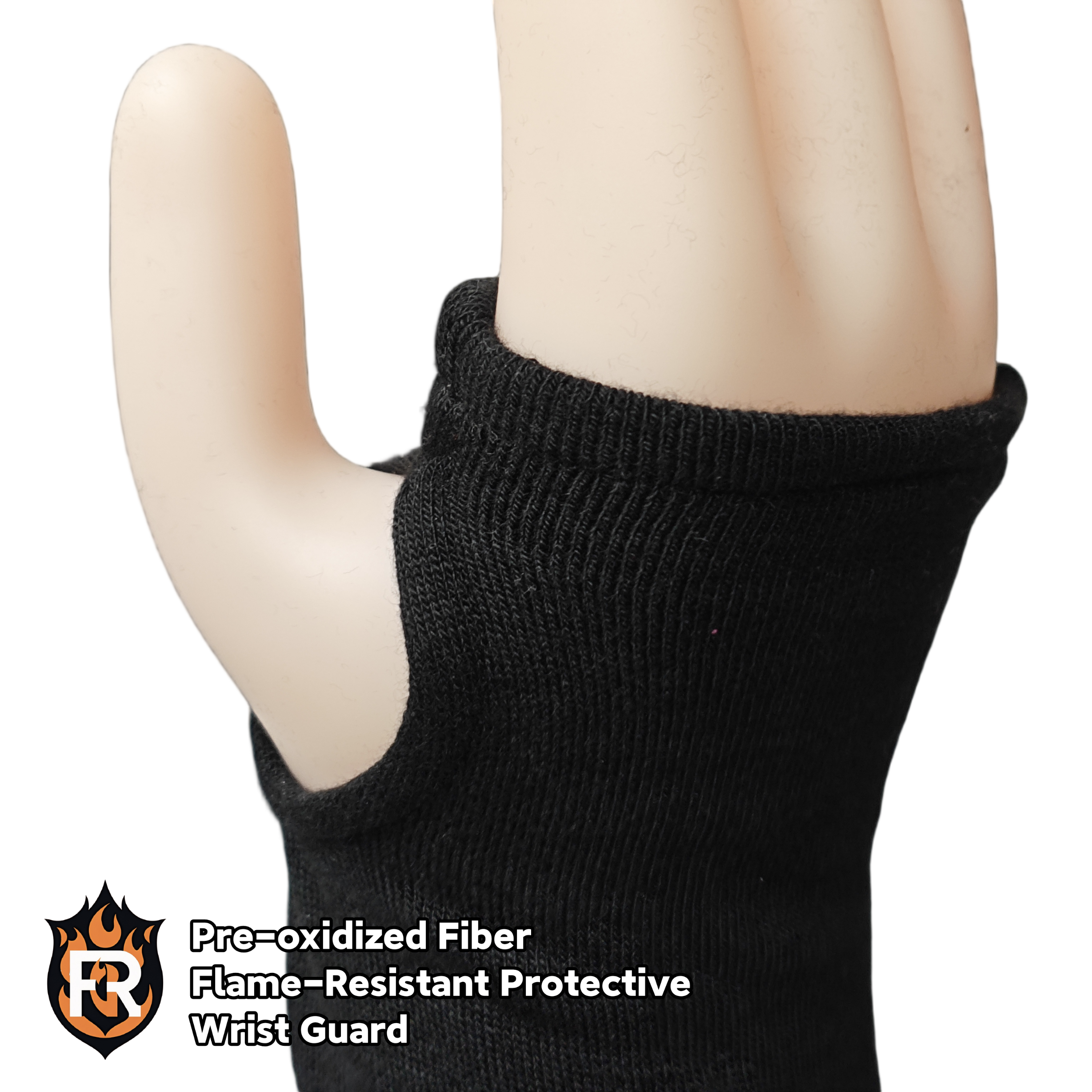
Industrial Knitted Pre-Ox Fabric: Advancing Safety and Performance in Modern Manufacturing
In the evolving world of industrial textiles, Industrial Knitted Pre-Ox Fabric is rapidly becoming a preferred choice for high-performance protective applications. Known for its exceptional flame resistance, durability, and comfort, this innovative material is redefining safety standards in industries such as metallurgy, welding, electrical engineering, and chemical processing.
-
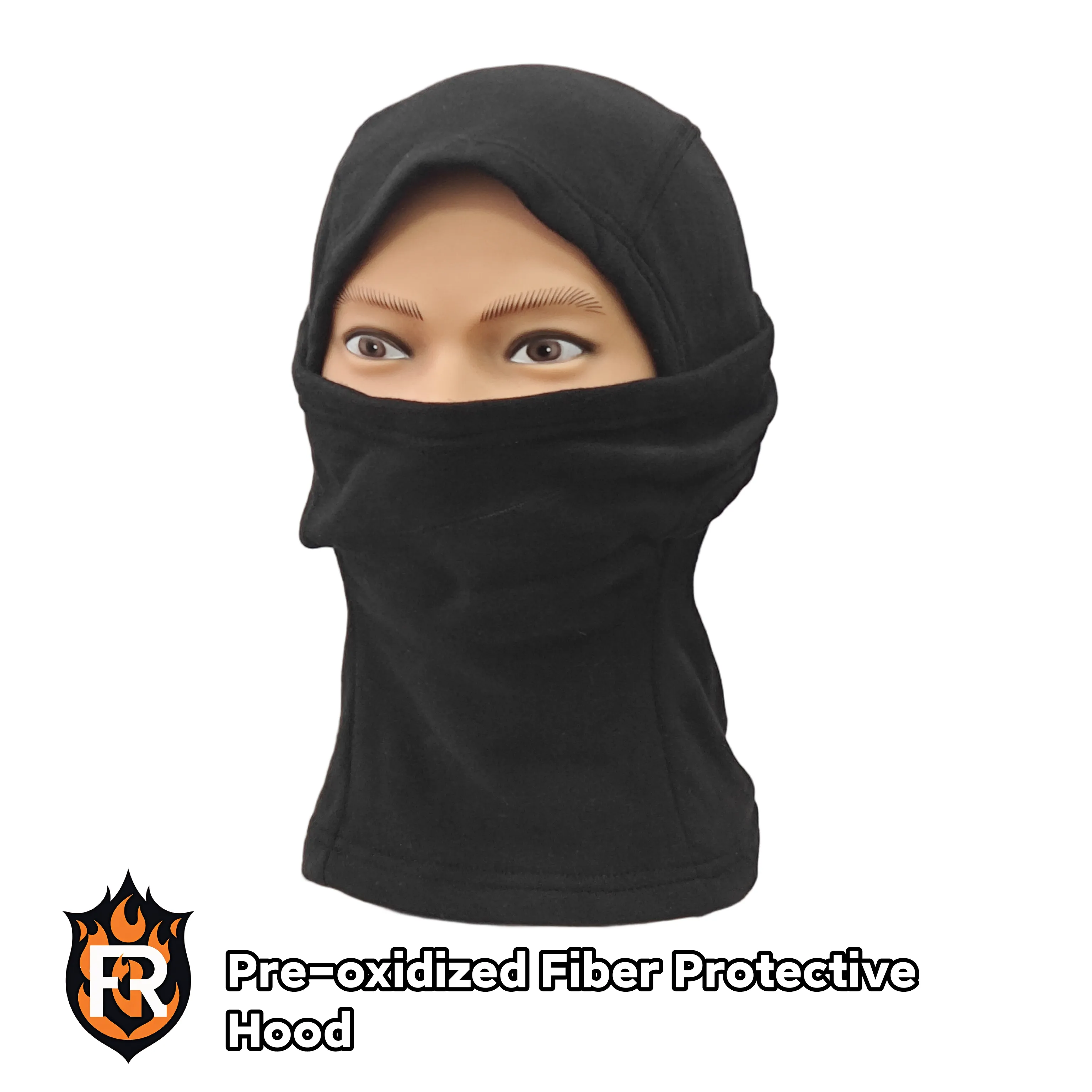
Pre-Oxidized Jersey Knit Fabric: Combining Safety, Comfort, and Innovation in Modern Textiles
In the field of advanced textile engineering, Pre-Oxidized Jersey Knit Fabric is emerging as a revolutionary material that seamlessly blends high-level flame resistance with exceptional comfort and flexibility. As global industries demand safer and more durable fabrics, this innovative material is setting new standards in protective apparel and industrial applications.
-
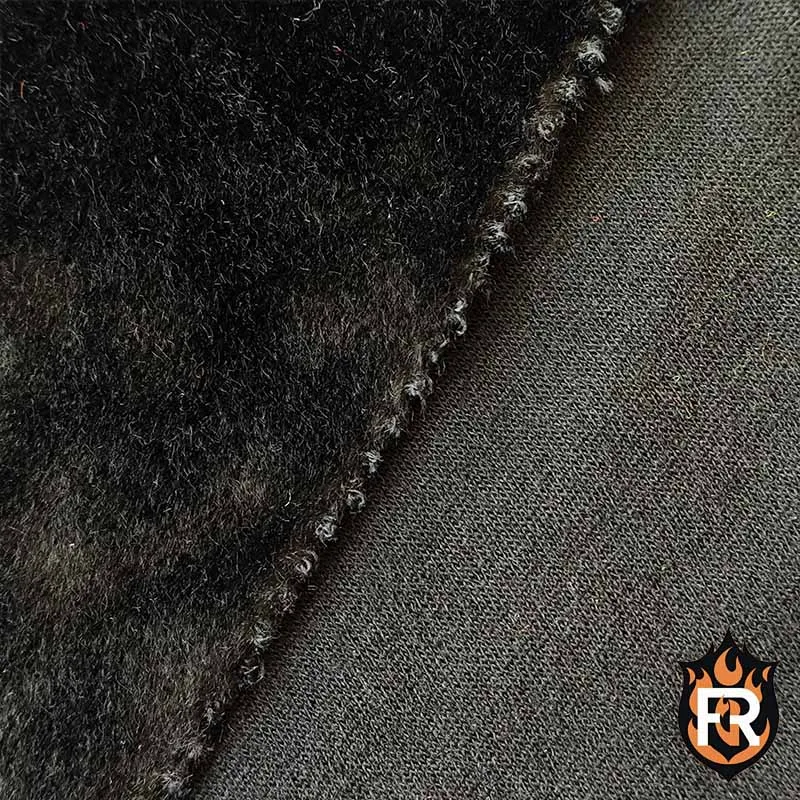
Flame Retardant Jersey Material: Redefining Safety and Comfort in Modern Textiles
In the evolving landscape of textile innovation, Flame Retardant Jersey Material has become a standout solution for industries that demand both comfort and protection. Designed to meet stringent safety standards while maintaining a soft, breathable texture, this advanced fabric is transforming the way we think about performance wear and protective clothing.
-

Smooth Pre-Ox Knit Fabric: A New Standard in Comfort and Fire Resistance
As innovation in textile technology continues to evolve, Smooth Pre-Ox Knit Fabric is emerging as a premium material choice for industries that demand both comfort and performance. Combining the softness of advanced knitting with the protective properties of pre-oxidized fibers, this fabric redefines what modern functional textiles can achieve — offering a perfect balance of safety, durability, and style.
-

Lightweight Fireproof Jersey Cloth: The Next Generation of Flame-Resistant Fabric Innovation
As the demand for flame-resistant textiles continues to grow across industries such as manufacturing, energy, and firefighting, Lightweight Fireproof Jersey Cloth has emerged as a revolutionary solution combining advanced fire protection with exceptional comfort and flexibility. This innovative fabric is redefining what workers can expect from protective clothing, balancing safety, performance, and wearability in one durable material.
-

What Material is 100% Fireproof
When it comes to workplace safety, especially in high-risk environments, the demand for fireproof materials is higher than ever. While there is no such thing as a material that is 100% fireproof, there are several advanced flame-resistant fabrics that come close, offering exceptional protection against fire and heat. Two such materials making waves in safety applications are Polar Fleece Modacrylic Cotton Elastic Fabric Flame Resistant and Polar Fleece Modacrylic Cotton Fabric Flame Resistant—both engineered to provide effective protection without sacrificing comfort.
-

What Fabric is Flame Resistant
When it comes to safety in high-risk industries like firefighting, welding, and electrical work, flame-resistant fabrics are essential to protect workers from extreme heat and fire hazards. But not all fabrics are created equal, and choosing the right one can make all the difference. Two standout materials that are leading the charge in flame protection are FR Aramid 13 Interlock Fabric and Aramid Single-Sided Fleece, both of which offer unmatched performance in high-temperature environments.
-
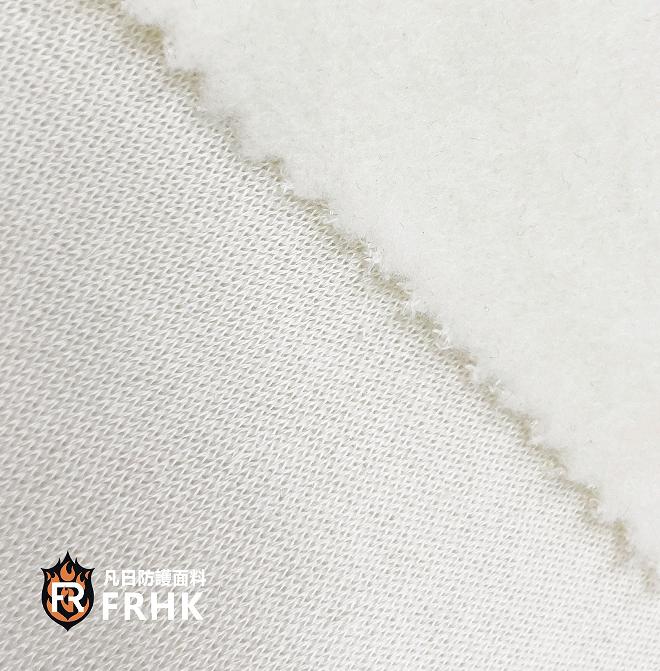
Aramid Single-Sided Fleece: Revolutionizing Protective Textiles
As industrial safety standards continue to advance, Aramid Single-Sided Fleece has emerged as a leading choice for flame-resistant and high-performance protective clothing. Known for its lightweight structure, exceptional thermal stability, and flame-retardant properties, this innovative fabric is transforming the way industries approach worker safety and comfort.
-

Advancements in Flame Resistance Fabric for Industrial Safety
As workplace safety standards continue to rise, flame resistance fabrics have become a vital component in protecting workers from fire hazards. Advanced textiles such as Polar Fleece Modacrylic Cotton Elastic Fabric Flame Resistant, Polar Fleece Modacrylic Cotton Fabric Flame Resistant, and FR Aramid 13 Interlock Fabric are leading the way in combining comfort, durability, and high-level flame protection.
-
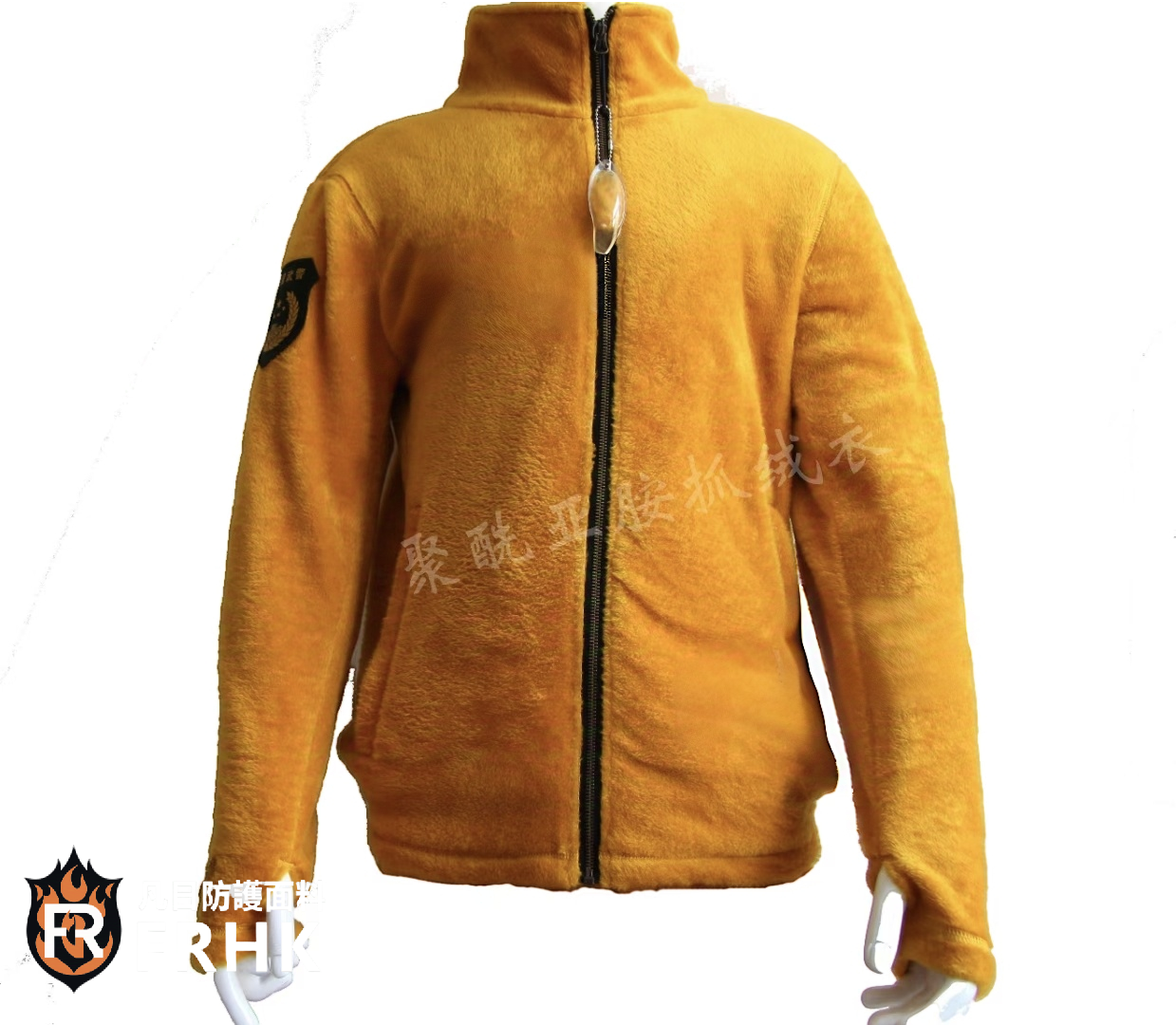
Flame-Retardant Protective Clothing: Ensuring Safety in High-Risk Environments
In industries where heat, fire, and sparks are a constant hazard, flame-retardant protective clothing has become a critical component of worker safety. Designed to resist ignition, prevent burn injuries, and provide comfort, these garments are now an essential standard in sectors such as manufacturing, firefighting, electrical work, and oil and gas.
-

Applications of Pre-Oxygen Silk Knit Fabric in Modern Protective and Functional Textiles
With the growing demand for high-performance protective materials, Pre-Oxygen Silk Knit Fabric has emerged as a groundbreaking textile solution. Known for its exceptional flame resistance, thermal stability, and comfort, this innovative fabric is widely used in industries that prioritize both safety and functionality.
-

Applications of Knitted Protective Gear in Modern Industry
As workplace safety standards rise across various sectors, Knitted Protective Gear has become a cornerstone of modern protective equipment. Known for its flexibility, durability, and comfort, knitted protective fabrics are now being applied in industries ranging from construction and manufacturing to firefighting, electrical work, and military defense.
-
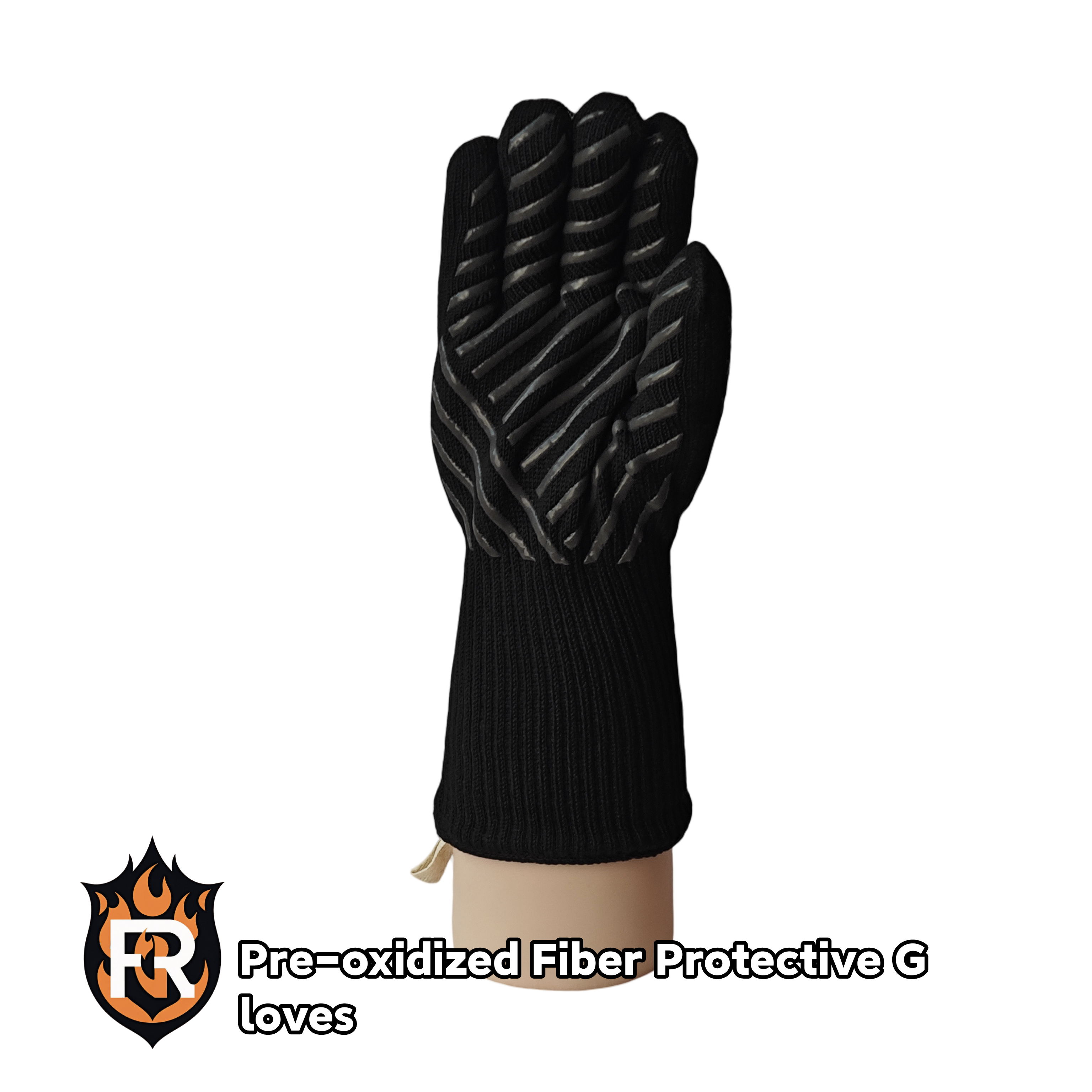
Knitted Protective Gear: The Future of Flame-Resistant Innovation
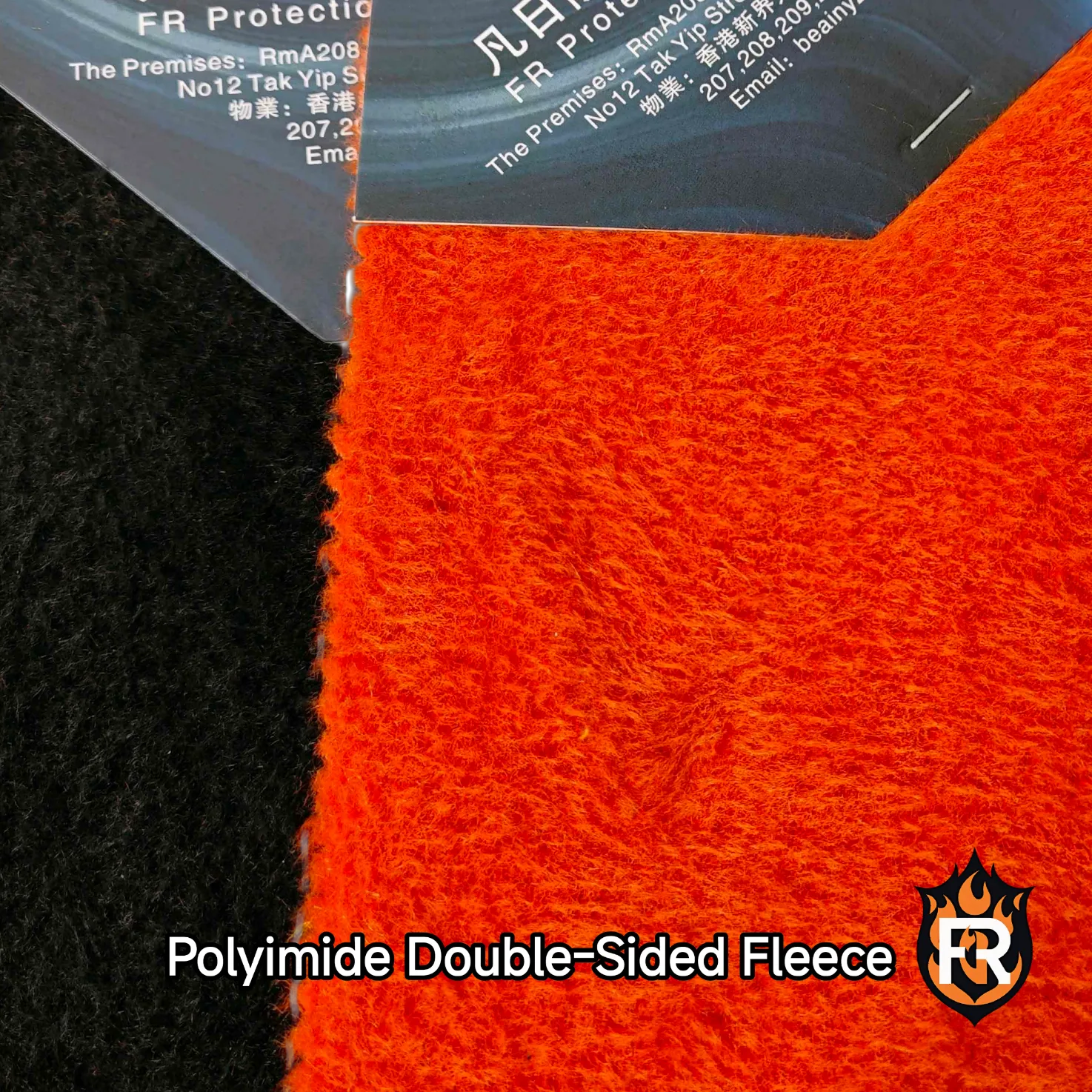
In today’s demanding industrial and safety environments, Knitted Protective Gear has become an essential component in ensuring worker protection without compromising comfort. With the integration of cutting-edge materials such as Polyimide Double-Sided Fleece, Pre-oxidized Fiber Flame-Resistant Single-Faced Fleece Knit Fabric, and Flame Retardant Pre-oxidized Jersey Material, the new generation of protective clothing offers both superior safety performance and flexibility.
-
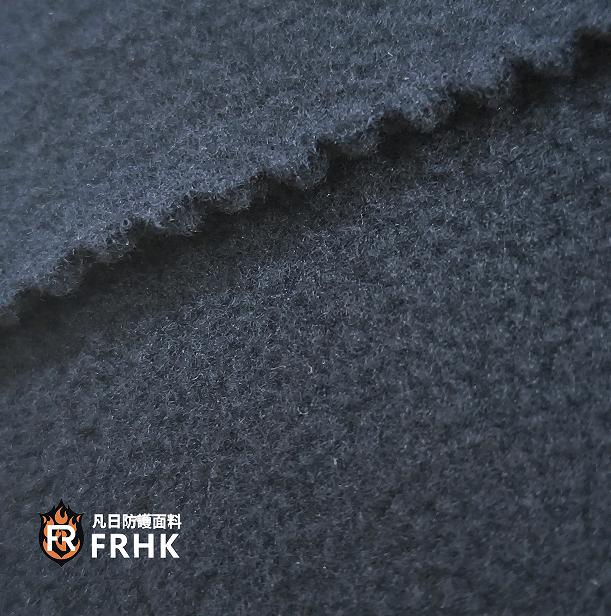
we will attend the September 2-4th Shanghai Intertextile Expo 2025
Invitation to Visit Our Booth at the 2025 China International Textile Fabrics & Accessories Expo
-
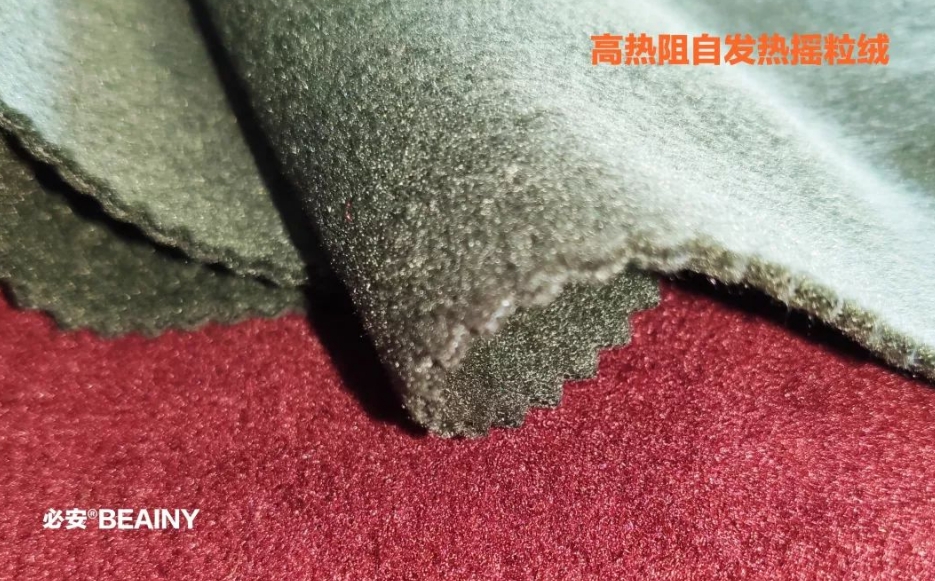
Introduction of polar fleece fabric
Introduction of polar fleece fabric
-
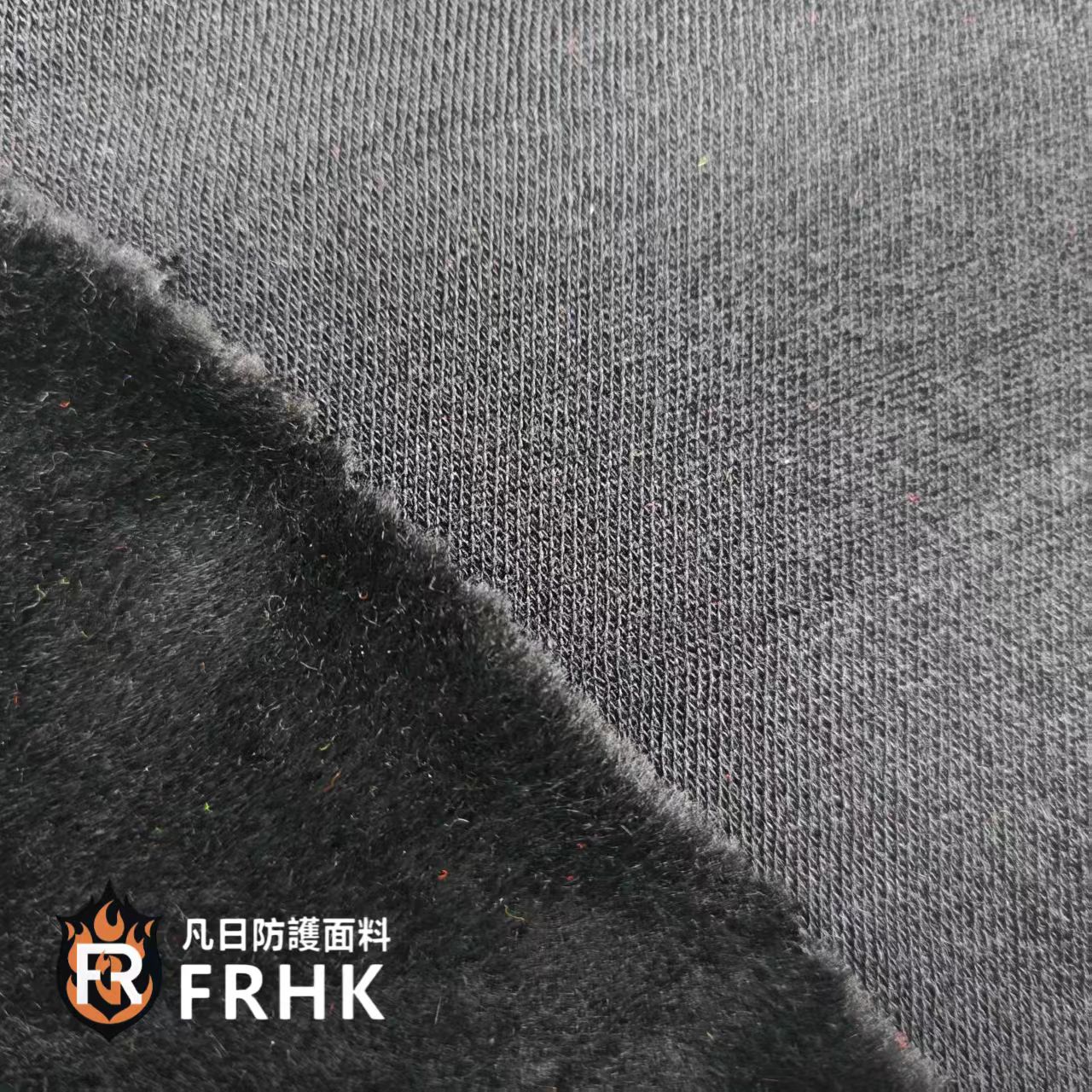
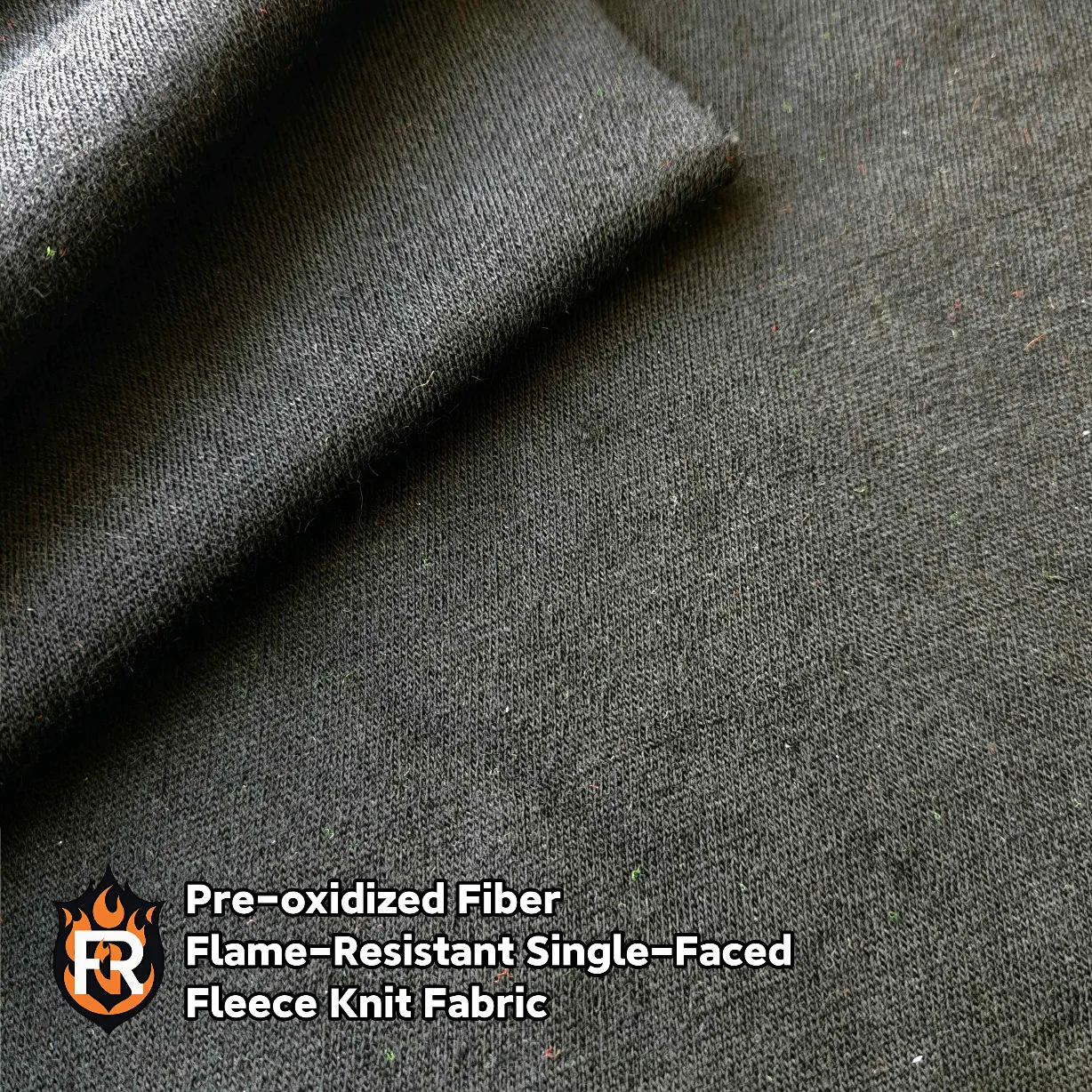
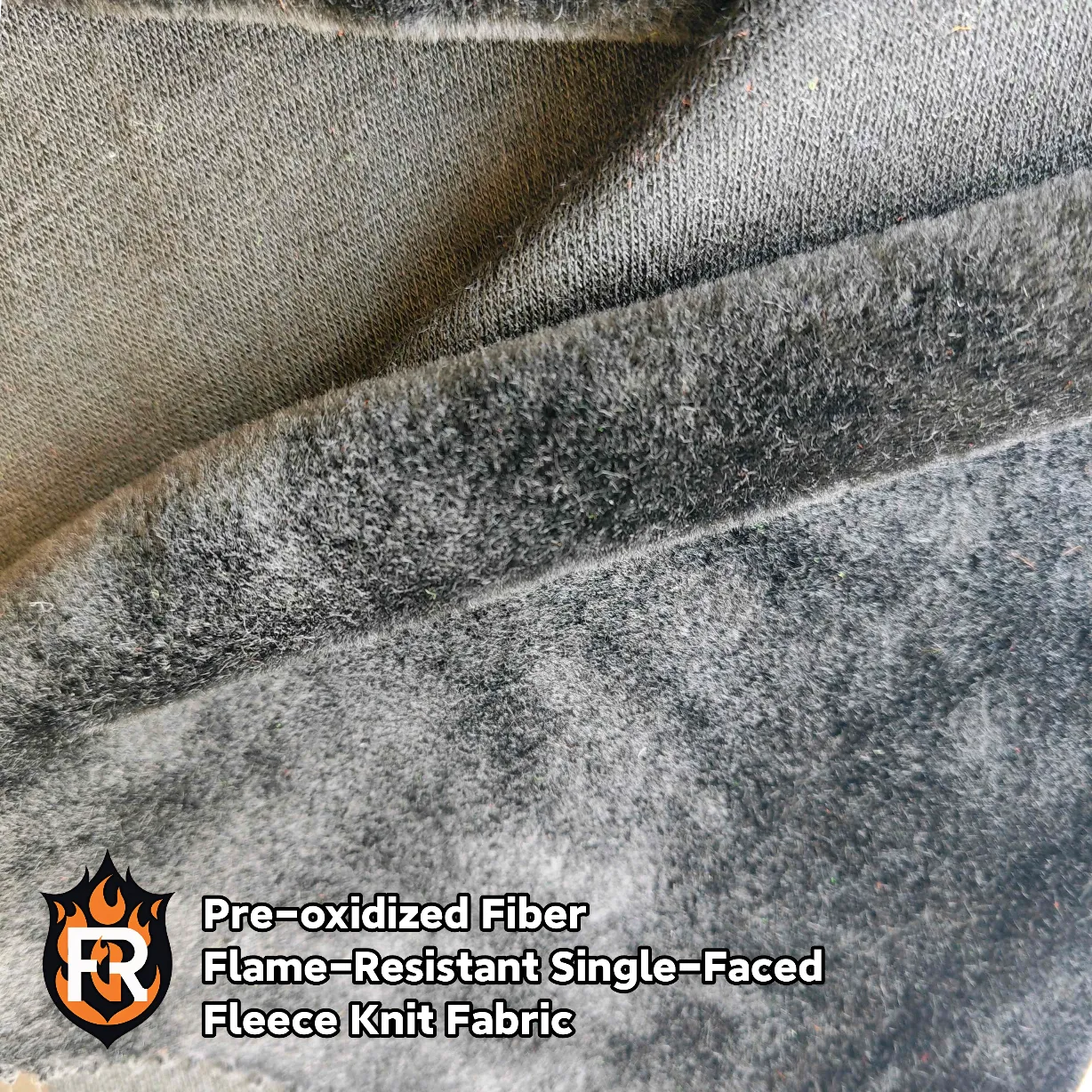
Pre-oxidized Fiber Flame-Resistant Single-Faced Fleece Knit Fabric
Pre-oxidized Fiber Flame-Resistant Single-Faced Fleece Knit Fabic is a flame-resistant fabric made from advanced fibers that provide protection against fire, heat, and thermal hazards while remaining breathable and comfortable for extended wear.
-
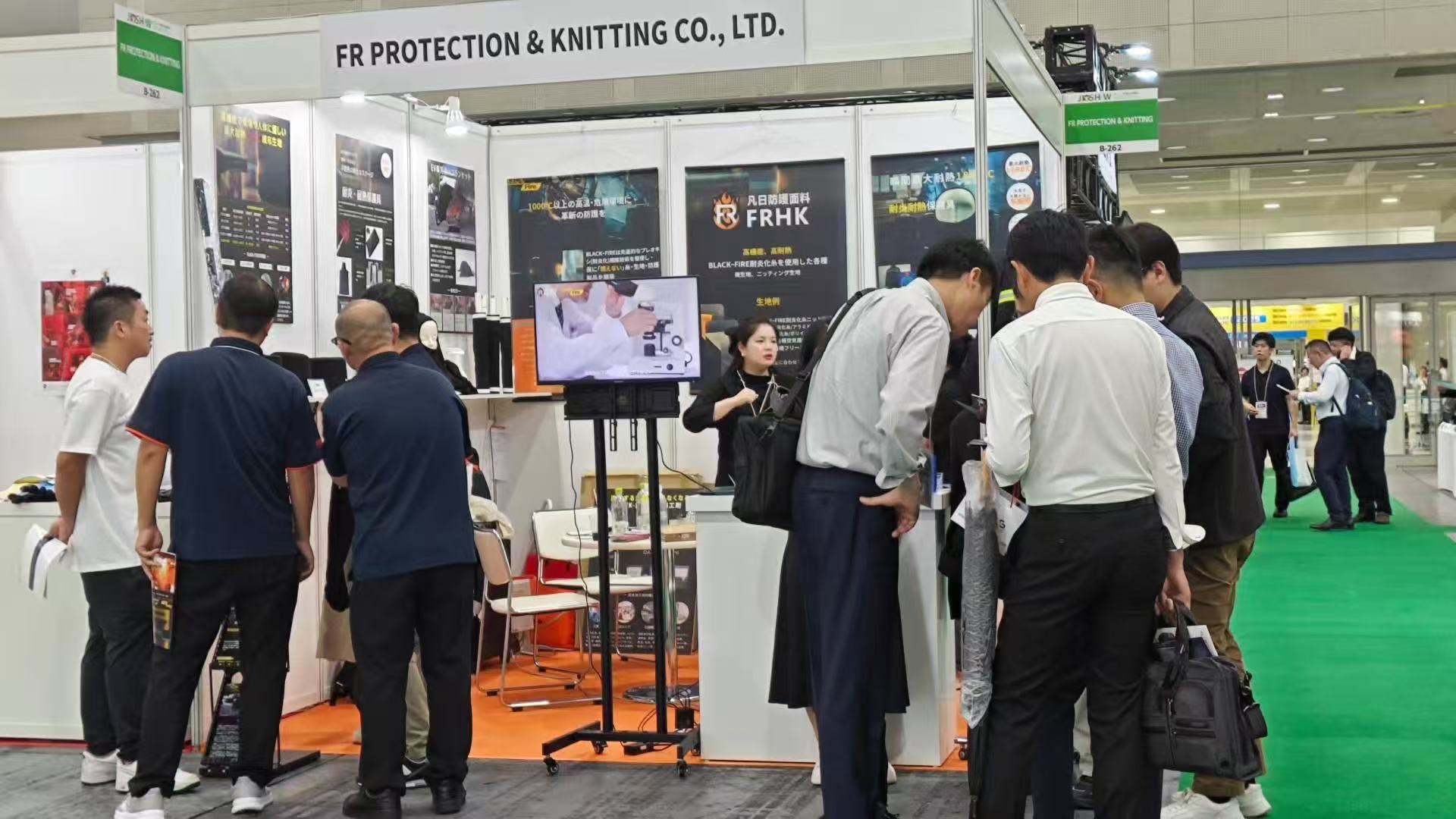
Successful Participation at Japan JIOSH+W 2025 – Showcasing Cutting-Edge Flame-Resistant Fabrics
Successful Participation at Japan JIOSH+W 2025 – Showcasing Cutting-Edge Flame-Resistant Fabrics
-

Top 5 Innovations in Flame Resistance Fabric for 2025: From Military Gear to Smart Workwear
As the demand for advanced personal protection grows across high-risk industries, flame resistance (FR) fabric is undergoing a wave of innovation in 2025. From enhanced durability to smart technology integration, the latest developments are setting new standards in safety, comfort, and functionality. Here are the top 5 innovations in flame resistance fabric shaping the future of military gear and smart workwear.
-

What is Flame Resistance Fabric? How It Works & Key Safety Standards
As safety remains a top priority across industries, flame resistance fabric has become an essential material in workplaces ranging from manufacturing plants to firefighting and military operations. But what exactly is flame resistance fabric, how does it work, and what standards determine its effectiveness?
-
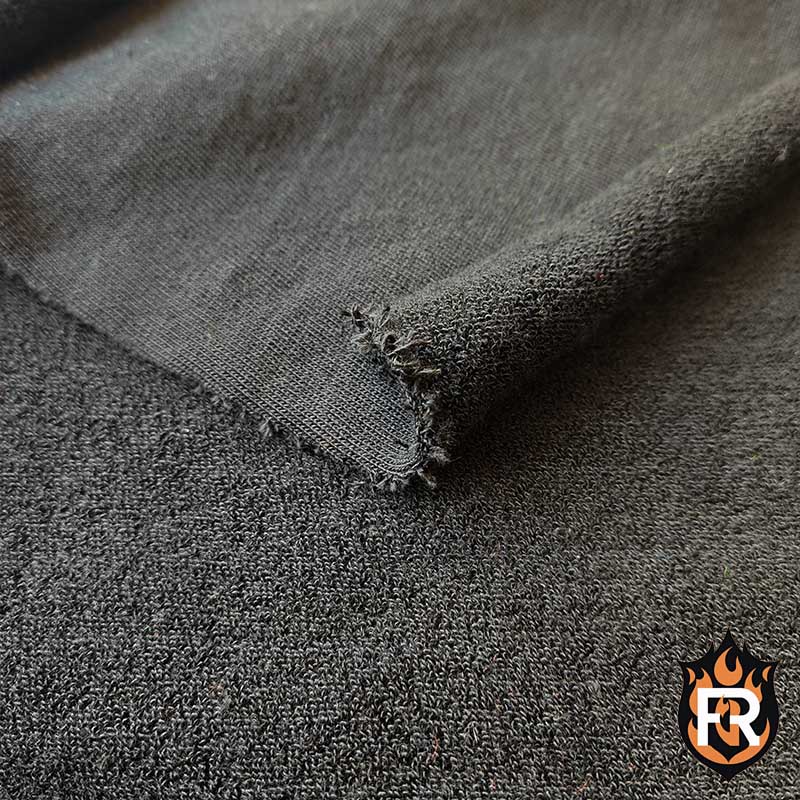
Why Are Luxury Brands Using Pre-Oxygen Silk Knit in 2025? Top Fashion & Activewear Applications
In 2025, the global fashion landscape is witnessing a significant shift as luxury brands increasingly embrace Pre-Oxygen Silk Knit—a textile innovation that blends timeless elegance with modern performance. This evolution is driven by consumer demand for sustainable, skin-friendly, and high-performance fabrics that go beyond aesthetics to deliver real functionality.
-

Pre-Oxygen Silk vs Traditional Silk Knit: Which Offers Better Comfort & Durability?
As textile innovation continues to transform the fashion and wellness industries, a new contender has entered the spotlight: Pre-Oxygen Silk Knit. Long admired for its softness and luxury, traditional silk knit fabric is now facing competition from this enhanced version. But when it comes to comfort and durability, which fabric truly delivers the superior experience?
-
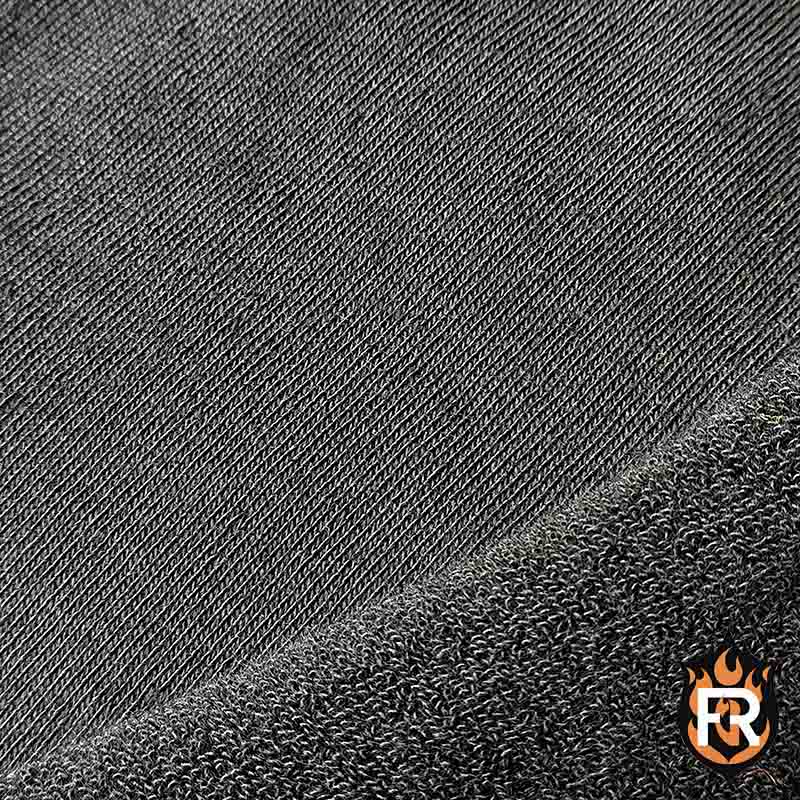
What is Pre-Oxygen Silk Knit Fabric? The Science Behind Its Breathability & Skin Benefits
As consumers increasingly seek high-performance, skin-friendly textiles, Pre-Oxygen Silk Knit Fabric is emerging as a game-changer in the fashion and wellness industries. Combining innovation in fiber technology with the timeless luxury of silk, this advanced fabric offers both breathability and skincare benefits, making it ideal for everything from premium loungewear to functional everyday clothing.
-

Innovative Flame-Resistant Wrist Guard Made with Pre-oxidized Fiber Enhances Worker Safety
In a significant advancement for personal protective equipment (PPE), a new generation of flame-resistant protective wrist guards made from pre-oxidized fiber is gaining attention across industries where fire hazards are a constant threat. Combining exceptional heat resistance with lightweight comfort, this innovative product is setting a new standard for worker safety and performance.
-

FR Protection&Knitting Co., Ltd: A Leading Supplier of High-Temperature Fire-Resistant Fabrics
As industrial safety standards rise globally, the demand for advanced fire-resistant solutions has never been greater. Among the industry’s most trusted names, FR Protection&Knitting Co., Ltd stands out as a premier supplier of high-temperature fire-resistant fabrics, delivering innovation, quality, and protection across multiple sectors.
-

The Expanding Applications of Flame Resistance Fabric Across Modern Industries
As safety regulations become more stringent and workplace hazards more complex, Flame Resistance (FR) Fabric is emerging as a critical material in various high-risk environments. Designed to resist ignition and prevent the spread of flames, FR fabrics play an essential role in protecting workers, equipment, and environments from fire-related dangers.
-

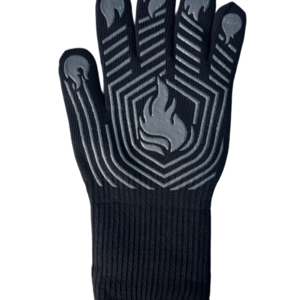
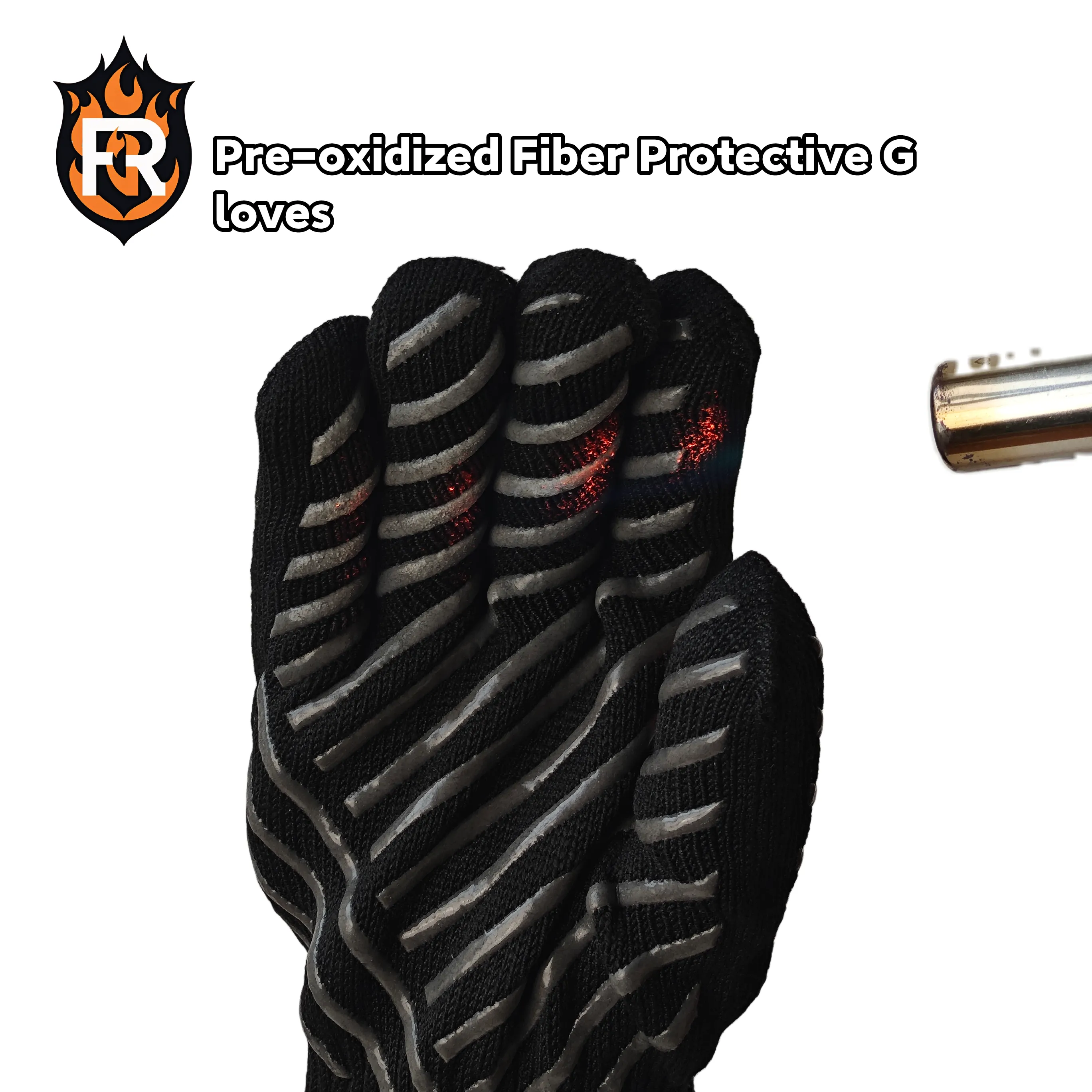
The Rising Demand for Pre-oxidized Fiber Protective Gloves in High-Heat Industries
In recent years, Pre-oxidized Fiber Protective Gloves have gained significant traction across various high-risk industries. Designed for exceptional heat resistance, flame retardancy, and durability, these gloves are becoming a preferred choice in sectors where safety is non-negotiable—such as metallurgy, automotive, aerospace, and firefighting.
-
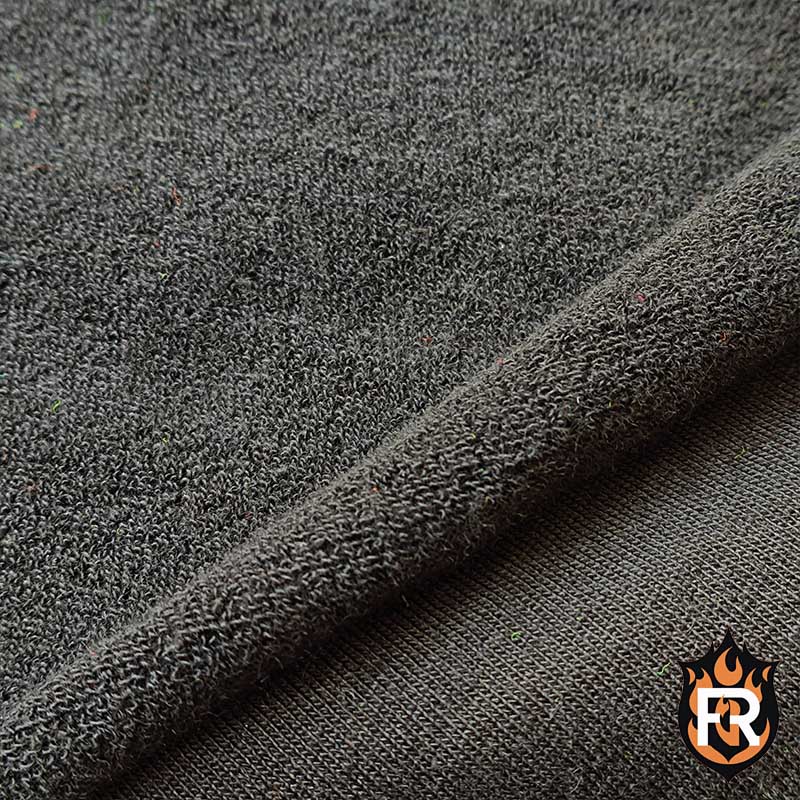
What is Pre-Oxygen Silk Knit Fabric and What Are Its Benefits?
In the ever-evolving field of advanced textiles, Pre-Oxygen Silk Knit Fabric is emerging as a revolutionary material that blends comfort, safety, and performance. This cutting-edge fabric is capturing attention across industries such as fire protection, aerospace, automotive, and industrial manufacturing due to its impressive thermal and structural properties.
-
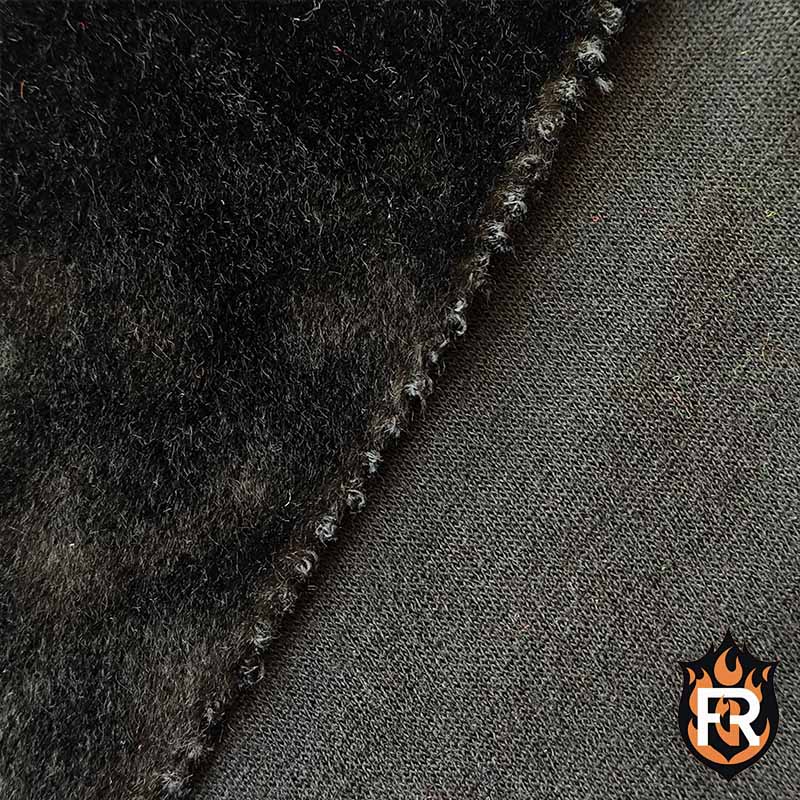
What Is Silk Knit Fabric? A Blend of Luxury and Flexibility
In the ever-evolving world of textiles, silk knit fabric is making headlines as a luxurious yet highly versatile material. Combining the natural elegance of silk with the stretch and comfort of knit construction, silk knit fabric is quickly becoming a favorite in fashion, lingerie, and activewear markets.
-

Exploring the Applications of Pre-Oxygen Silk Knit Fabric in Modern Industries
As industries move toward sustainable and high-performance materials, Pre-Oxygen Silk Knit fabric is gaining significant attention for its unique properties and wide-ranging applications. Known for its excellent thermal stability, lightweight nature, and soft texture, this innovative textile is being adopted across various fields—from aerospace to protective clothing.
-
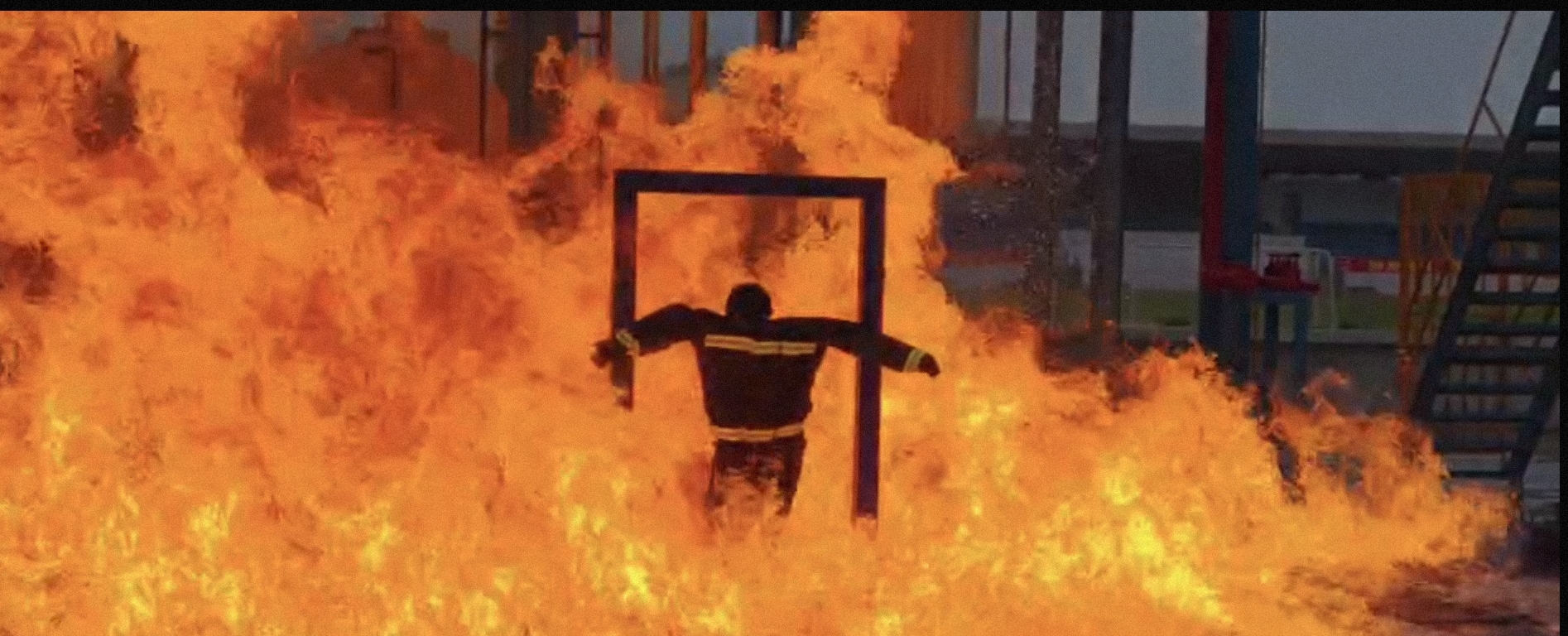
Pre-Oxygen Silk Fabric Vs Traditional Flame Retardant Fabric: An Ultimate Showdown On Safety And Performance
In the field of specialty textiles, the choice of materials is often related to life safety.
-
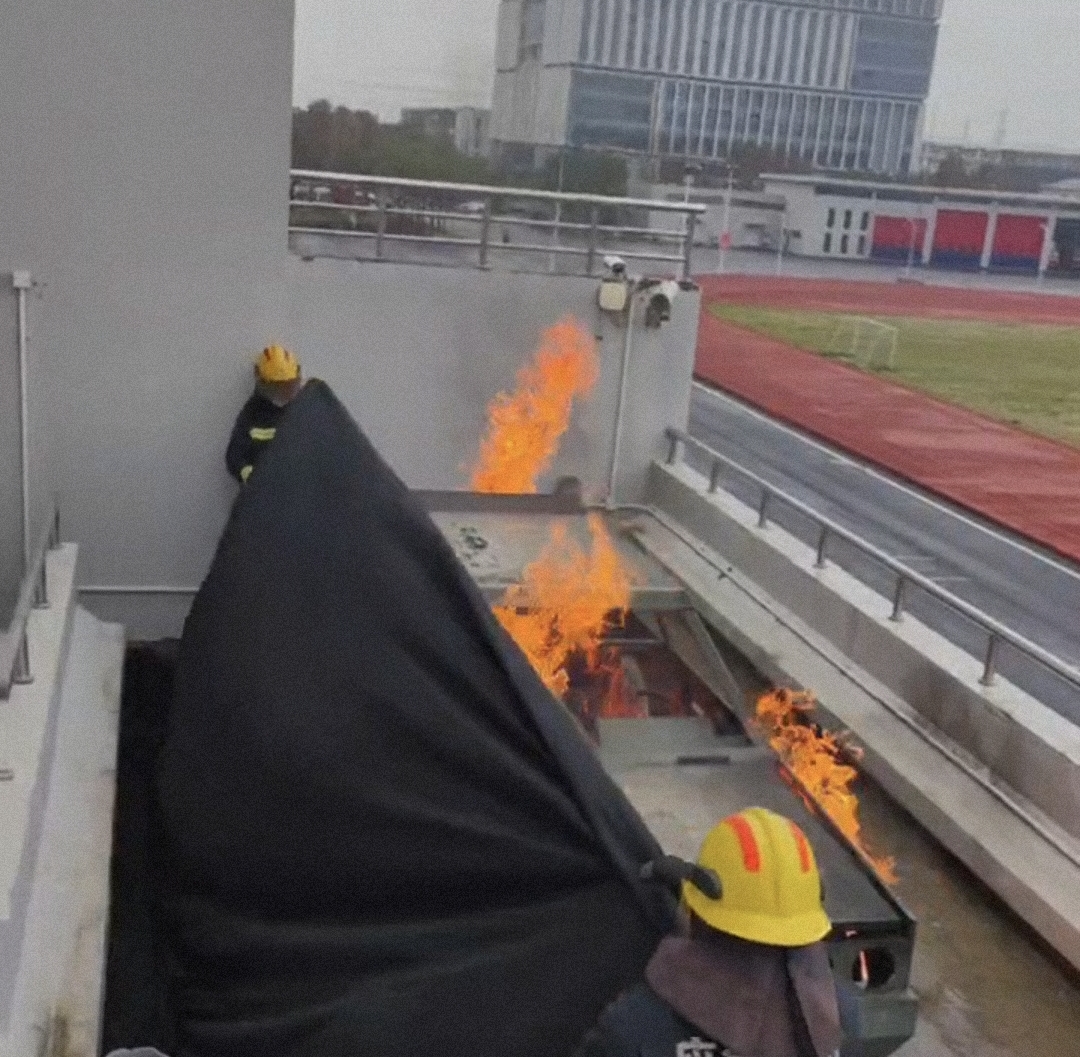
Pre-Oxygen Silk Fabric: Empowering Safety Protection With Technology, Four Core Advantages
In the field of industrial safety protection and high-end specialty textiles, a high-performance material called "pre-oxygen wire" is triggering an industry revolution.
-
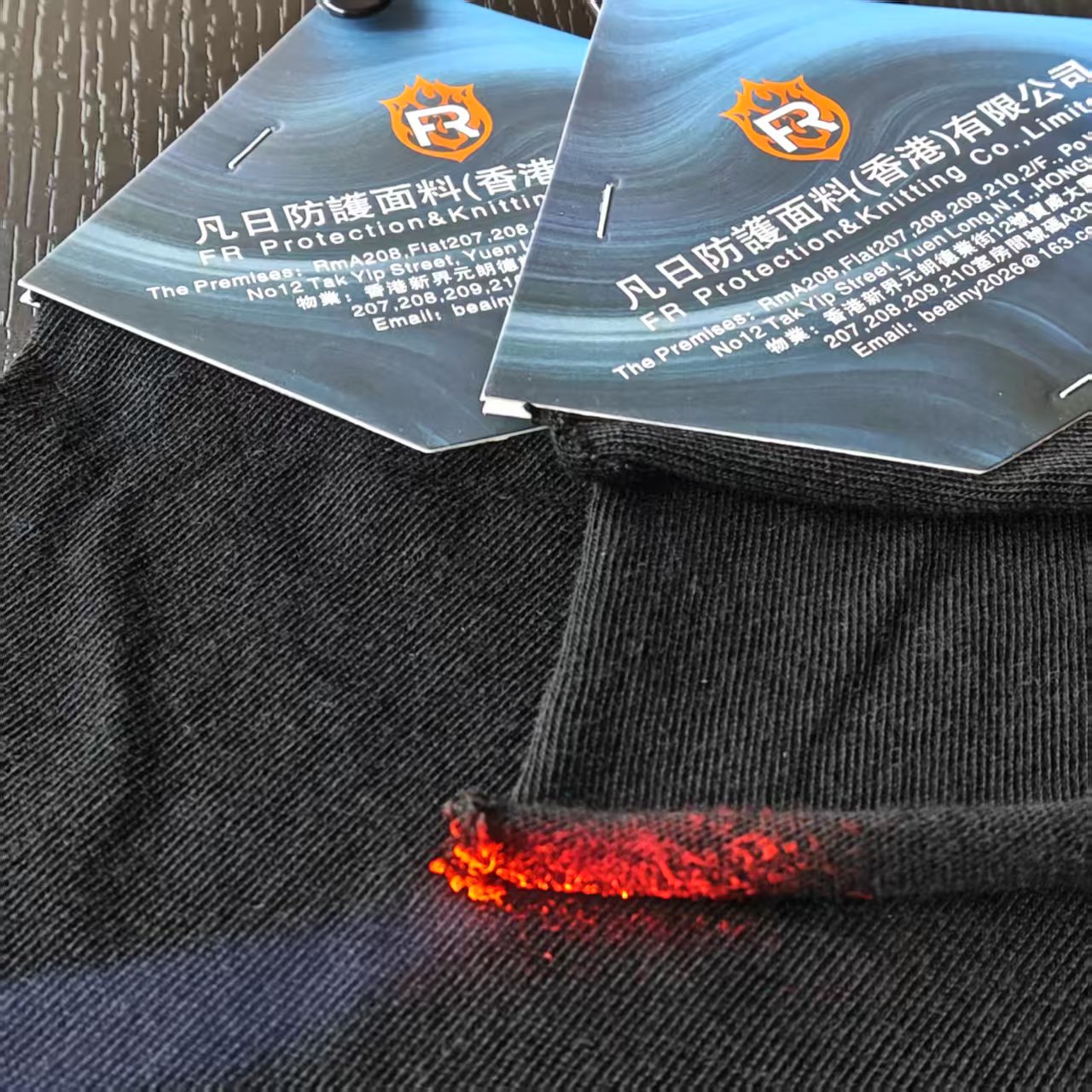
What Is Pre-Oxygen Silk Fabric?
Pre-oxygen fibers, also known as pre-oxidized fibers, are intermediate products in the production process of carbon fibers.
-
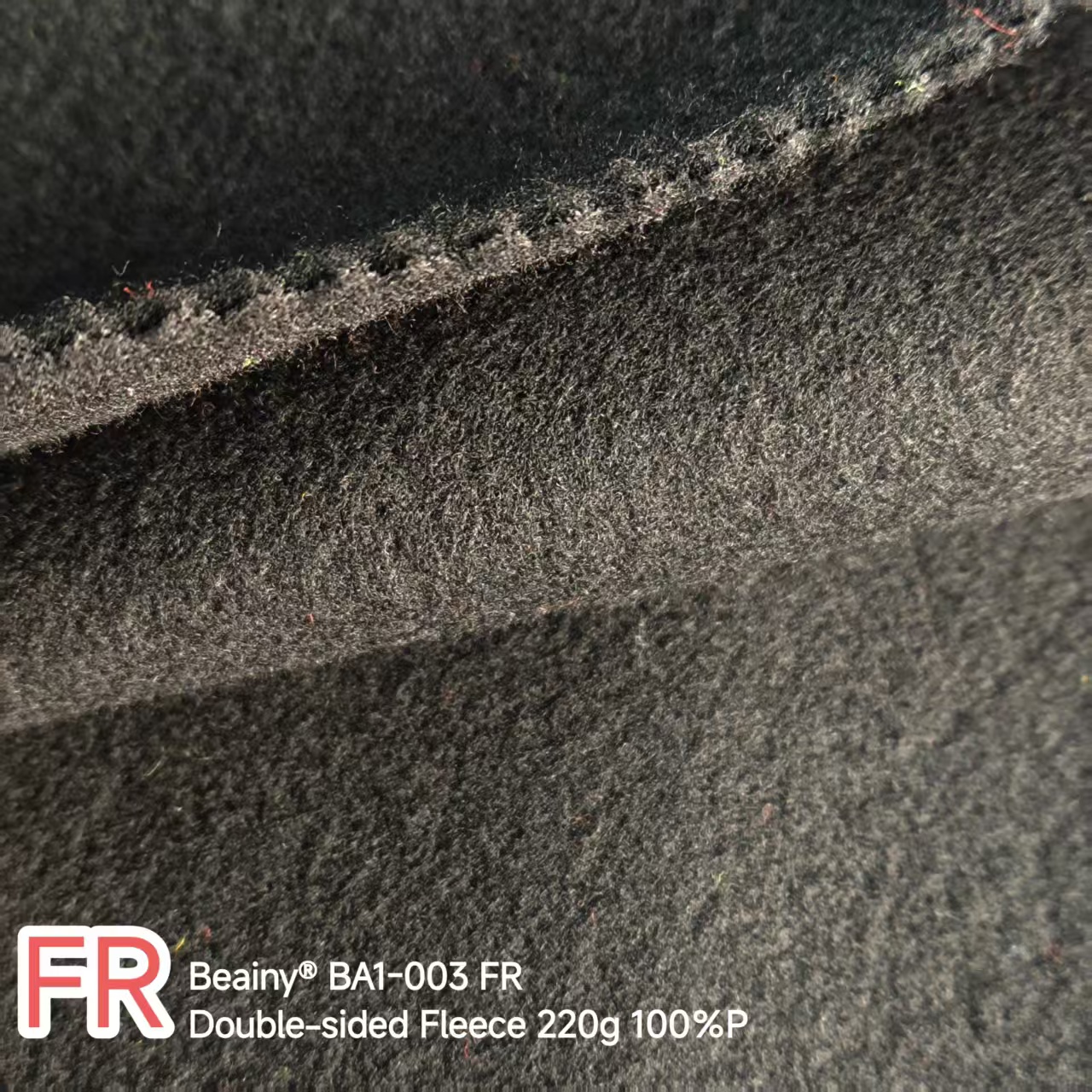
What Is Flame Retardant Fabric?
What is flame retardant fabric? Flame retardant fabric refers to a cloth that can automatically extinguish when leaving the open flame market.